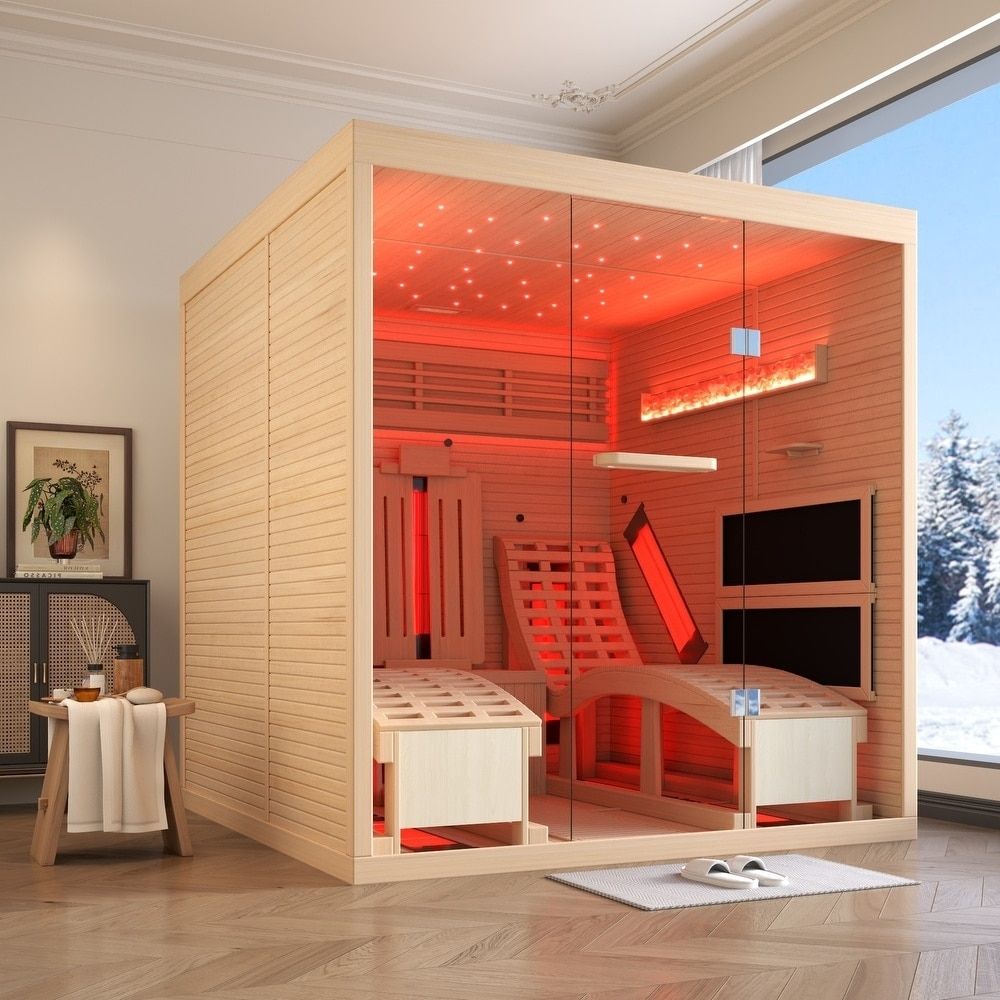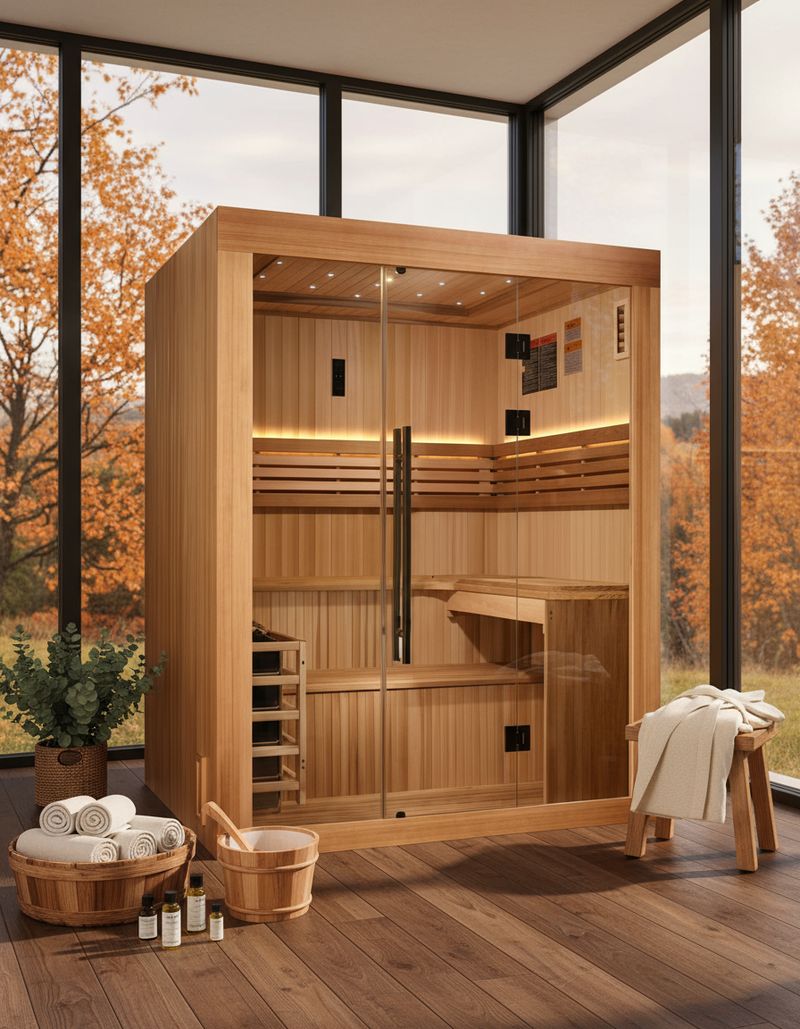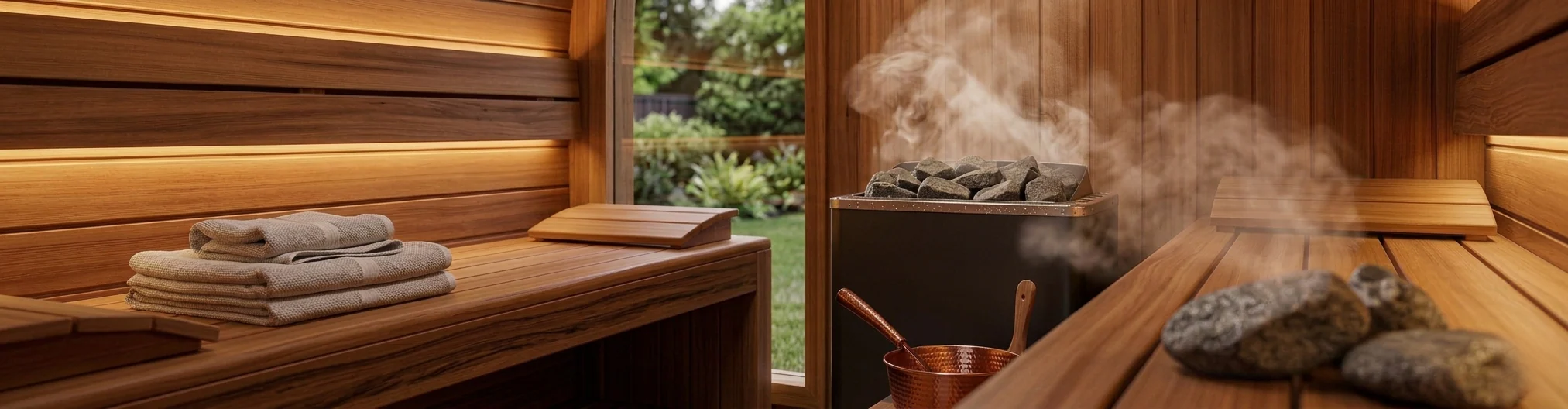

Bringing a sauna into your home is a major investment in your health and wellness. Before buying one, it’s natural to have questions about usage, operating costs, installation, and maintenance.
To help you make the right decision, we’ve answered the most common questions homeowners ask about indoor and outdoor saunas.
1. Is it safe to use a sauna every day?
For most healthy adults, daily sauna use is both safe and highly beneficial.
In fact, long-term Finnish studies have shown that people who use a sauna 4 to 7 times per week often experience improved cardiovascular health, reduced stress, and better overall wellness.
-
The Golden Rule: Listen to your body. Limit sessions to 15–20 minutes for traditional saunas and 30–45 minutes for infrared saunas. Always stay hydrated before and after your session.
2. How much does a home sauna add to your electric bill?
Many people assume saunas consume large amounts of electricity, but they are surprisingly energy efficient because they only use power while operating.
-
Infrared Saunas: A typical 2-person infrared sauna uses approximately 1.5–2 kW of power. Most sessions cost around $0.20–$0.40 per hour, depending on local electricity rates.
-
Traditional Saunas: Traditional heaters usually require 4.5–8 kW of power. A full session, including warm-up time, generally costs between $0.70 and $1.50.
Even with frequent use, most homeowners only notice an increase of about $10–$30 per month on their electricity bill.
3. What should you wear inside a home sauna?
The best sauna clothing allows your body to sweat comfortably while protecting the sauna wood.
-
A Clean Cotton Towel: The most traditional and hygienic option. Towels absorb sweat and help protect the wood benches from body oils.
-
Loose, Breathable Clothing: Lightweight cotton clothing or a clean swimsuit are comfortable options for additional coverage.
-
What to Avoid: Avoid tight synthetic gym clothing such as polyester or spandex. These fabrics can trap heat and create unpleasant odors at high temperatures.
4. How long does a home sauna take to heat up?
Heat-up times vary depending on the sauna type:
-
Infrared Saunas: Usually ready within 10–15 minutes because infrared heat warms the body directly.
-
Traditional Electric Saunas: Typically require 30–45 minutes to fully heat the air and sauna stones.
-
Wood-Fired Saunas: Most wood-burning saunas reach optimal temperature in approximately 45–60 minutes.
5. Do home saunas cause mold or moisture damage indoors?
This is one of the most common concerns for indoor sauna installations.
-
Infrared Saunas: Infrared saunas produce dry heat and generate no steam or excess humidity, making mold virtually impossible.
-
Traditional Saunas: Steam created from water on the sauna rocks is temporary. The high heat quickly dries the room after use, so normal household ventilation is usually more than sufficient.
Have More Questions?
Choosing the right sauna should feel simple and stress-free. Whether you need help selecting the ideal size, heater type, or installation setup, our team is here to help.
Explore our collection of Indoor Saunas and Outdoor Saunas to find the perfect fit for your home wellness space.