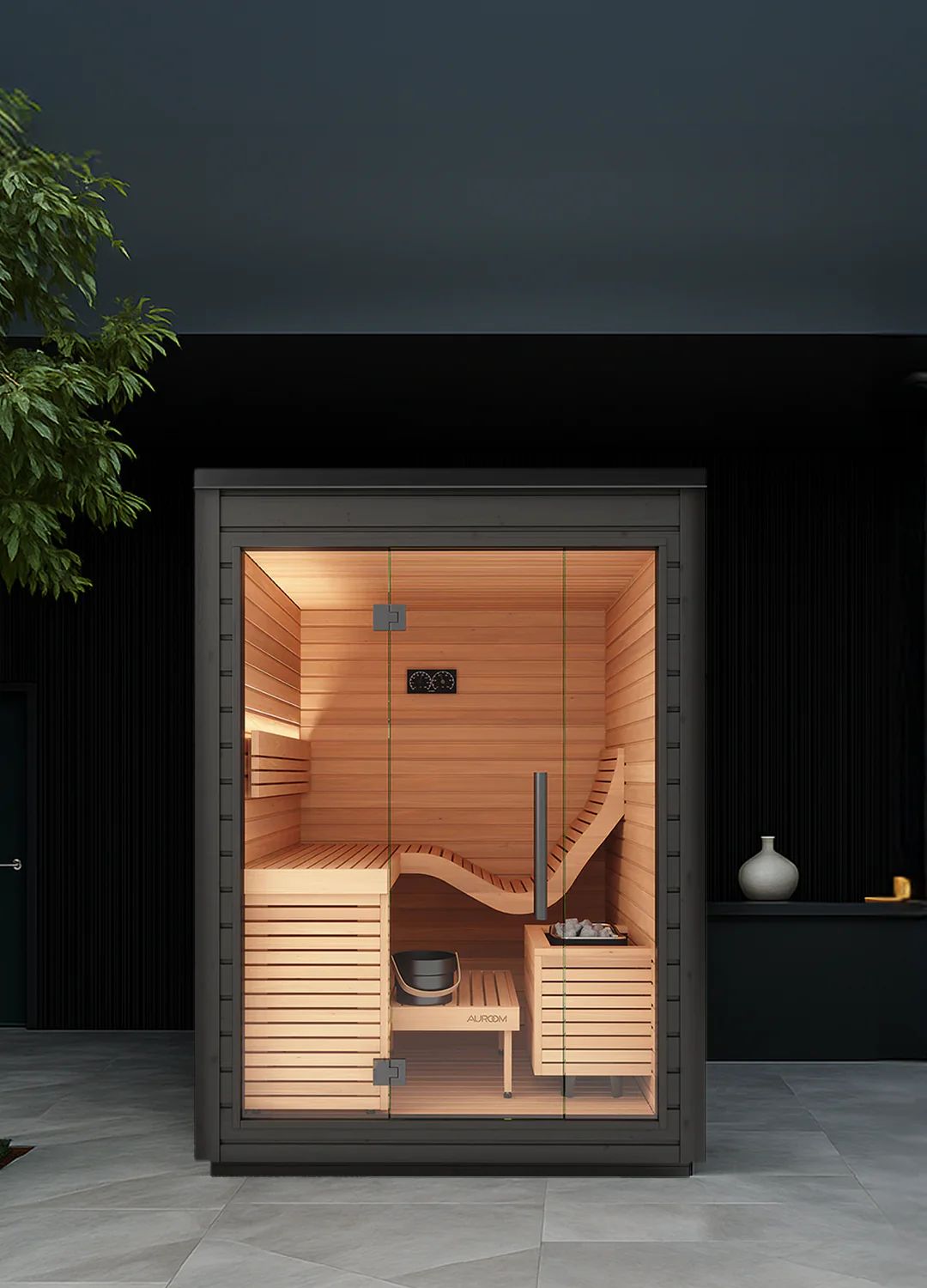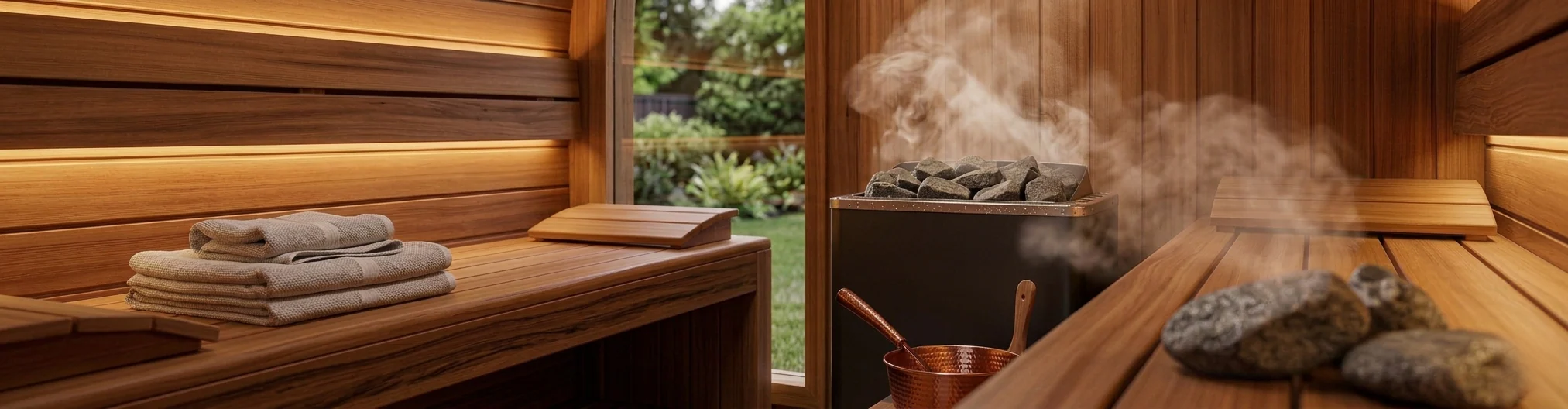

There is a timeless, soul-warming ritual to a traditional Finnish sauna. Stepping into a room crafted from aromatic softwood, feeling the embrace of high heat, and controlling the humidity with a ladle of water creates a luxury spa experience right at home.
At Infinity Saunas, we specialize in premium traditional cabin saunas designed to elevate your wellness routine and enhance your home environment.
Because traditional saunas operate differently from infrared saunas, many buyers have questions about how they work. Here are the most common questions homeowners ask before investing in a traditional home sauna.
1. Can a Traditional Sauna Be Used as Both a Wet and Dry Sauna?
Yes. One of the biggest advantages of a traditional sauna is that you can fully control both the heat and humidity levels.
-
Dry Sauna Mode: When no water is poured over the heater stones, the sauna maintains very low humidity levels, usually around 10% to 20%. This creates a hot, dry heat that warms the body gradually and comfortably.
-
Wet Sauna Mode: Pouring water over the hot sauna stones creates steam, known in Finland as löyly. This temporarily increases humidity and intensifies the heat sensation while creating a more traditional Finnish sauna experience.
Pro Tip: Pour small amounts of water slowly over the stones instead of dumping an entire bucket at once. This creates smoother steam and protects the heater system.
2. Is a Traditional Sauna the Same as a Steam Room?
No. Traditional saunas and steam rooms are completely different environments.
-
Traditional Saunas: Built primarily from natural wood such as cedar or hemlock. They operate at high temperatures between 150°F and 195°F with low, adjustable humidity.
-
Steam Rooms: Built using tile, glass, or acrylic surfaces. They operate at lower temperatures between 100°F and 115°F but maintain nearly 100% humidity using a steam generator.
3. Does an Indoor Traditional Sauna Need Plumbing or a Floor Drain?
No. Most residential traditional saunas do not require plumbing, water lines, or floor drains.
The only water used inside the sauna is the small amount poured onto the heater stones. Any remaining moisture quickly evaporates because of the high heat retained in the sauna after use.
-
Recommended Flooring: Traditional cabin saunas can be installed on concrete, tile, vinyl, or laminate flooring. Using towels on benches and floors helps keep the wood clean and protected.
4. Why Are Traditional Sauna Ceilings Usually 7 Feet High?
Most premium traditional saunas are designed with interior ceiling heights close to 7 feet because heat naturally rises.
-
If ceilings are too tall, valuable heat collects far above the seating area, reducing heating efficiency and comfort.
-
A 7-foot ceiling keeps heat concentrated around the upper benches where bathers sit, creating a more effective and energy-efficient sauna session.
5. Does a Traditional Sauna Need Ventilation?
Yes, but traditional saunas only require simple passive ventilation rather than complex HVAC systems.
Most high-quality traditional saunas include adjustable air vents for proper airflow.
-
Intake Vent: Positioned low near the heater to bring fresh air into the sauna.
-
Exhaust Vent: Positioned higher on the opposite wall to circulate air and keep the environment comfortable.
Bring the Authentic Finnish Sauna Experience Home
Traditional saunas deliver a timeless wellness experience with natural wood interiors, soothing heat, and authentic steam sessions.
Explore our premium collection of Traditional Saunas at Infinity Saunas and create the perfect home wellness retreat today.