
There is nothing quite like wrapping up a stressful day by stepping into the enveloping warmth of a personal sauna. Once considered a luxury exclusive to high-end spas and luxury gyms, home saunas have become one of the most popular wellness investments for modern homes.
But if you’ve started browsing for your own, you already know the options can be overwhelming. Should you go with a traditional steam sauna or a modern infrared model? What are the electrical requirements? And where exactly can you put one?
In this ultimate home sauna buyer’s guide, we will break down everything you need to know to choose the perfect sauna for your wellness routine, space, and budget.
1. Traditional vs. Infrared Saunas: What’s the Difference?
The biggest decision you will make is how your sauna generates heat. While both offer excellent wellness benefits, they work very differently.
Traditional Finnish Saunas
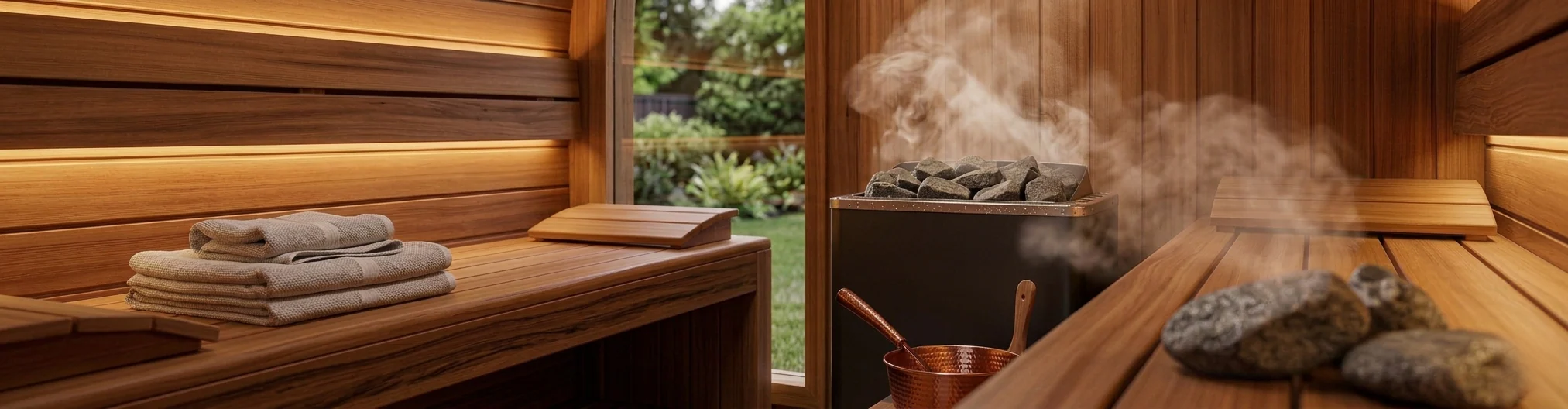
Traditional saunas use an electric or wood-burning heater loaded with stones to heat the air around you. When the room reaches high temperatures, water is poured over the stones to create bursts of steam.
- Temperature: 150°F to 195°F (65°C to 90°C)
- Experience: Hot, humid, and intense — the classic sauna experience.
- Warm-up Time: 30 to 45 minutes
Infrared Saunas
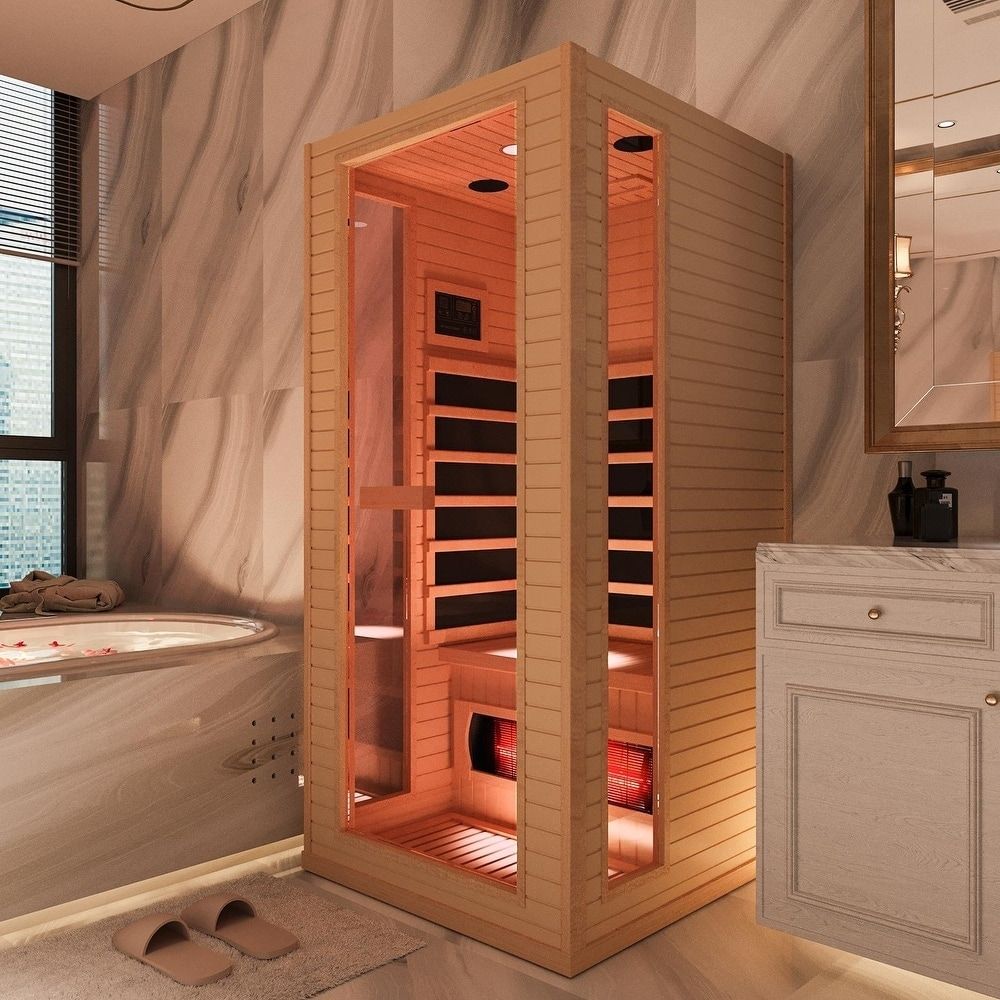
Infrared saunas use light emitters to produce radiant heat that warms your body directly rather than heating the air.
- Temperature: 120°F to 150°F (49°C to 65°C)
- Experience: Dry, gentle heat that allows longer sessions.
- Warm-up Time: 10 to 15 minutes
The Verdict: Choose Traditional if you prefer steam and intense heat. Choose Infrared if you want dry heat, faster warm-up, and longer, more comfortable sessions.
2. Science-Backed Health Benefits of Sauna Use
Regular sauna use is more than relaxation — it supports long-term wellness.
- Cardiovascular Health: Improves circulation and mimics light exercise.
- Skin Health: Promotes deep sweating and clearer skin.
- Muscle Recovery: Helps reduce soreness and inflammation.
- Stress Relief & Sleep: Supports relaxation and better sleep quality.
3. Key Factors to Consider Before Buying
Location: Indoor vs Outdoor
Indoor saunas fit basements, bathrooms, or spare rooms. Outdoor saunas are ideal for gardens and patios but require weather-resistant materials and a stable foundation.
Space and Size
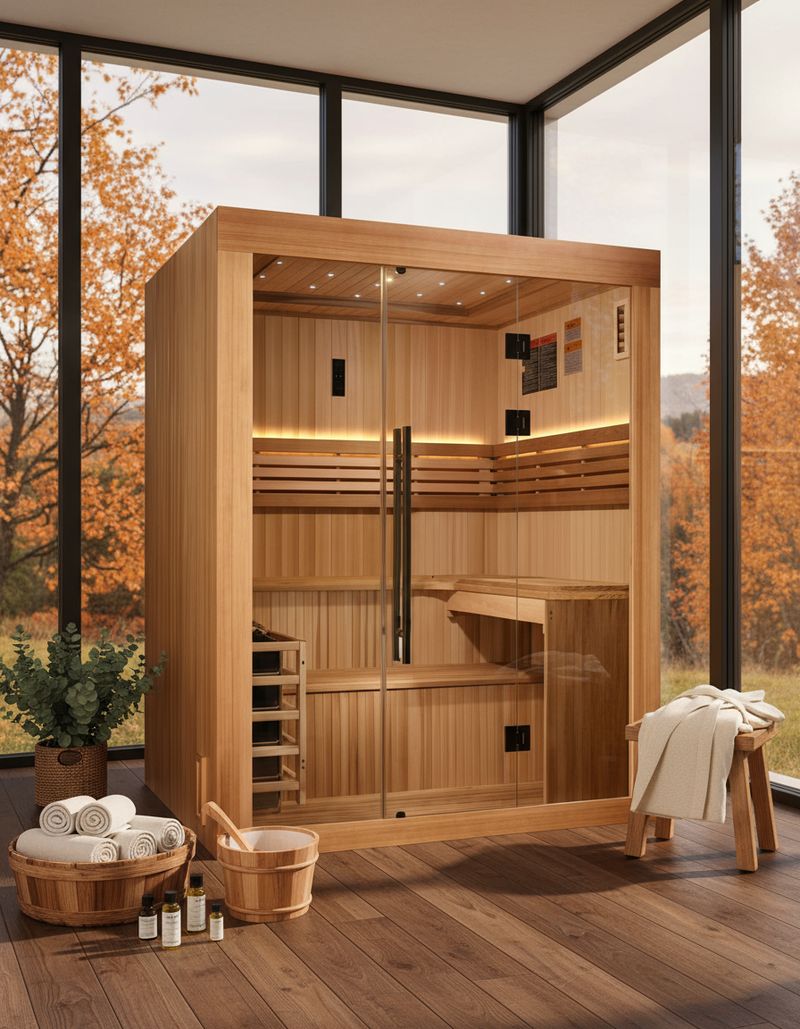
- 1–2 Person Saunas: Compact and energy-efficient for small spaces.
- 3–4+ Person Saunas: Ideal for families or shared relaxation.
Electrical Requirements
- Small infrared saunas usually run on a standard 110V outlet.
- Larger infrared and traditional saunas typically require a 220V–240V dedicated line.
4. How Much Do Home Saunas Cost?
| Sauna Type | Price Range | Best For |
|---|---|---|
| Indoor Infrared (1–2 People) | $2,000 – $4,500 | Apartments, small spaces, easy installation |
| Indoor Traditional (2–4 People) | $4,000 – $8,000 | Authentic steam sauna experience |
| Outdoor Barrel / Cabin (4+ People) | $6,000 – $12,000+ | Backyard wellness spaces |
Ready to Elevate Your Wellness Routine?
Choosing a home sauna is a personal decision. Whether you prefer the intense heat of a traditional sauna or the gentle warmth of infrared, the right option is waiting for you.
At Infinity Saunas, we offer premium, eco-friendly home saunas built to last. Explore our Infrared Saunas and Traditional Saunas today and find your perfect fit.