
Why Some People Hate Saunas—and Why the Sauna Experience Matters
For some people, the idea of sitting in a hot wooden room sounds relaxing. For others, it sounds like the opposite of relaxation.
That reaction is more common than you might think. The heat can feel intense, breathing can seem uncomfortable, and the simple question of “How long am I supposed to stay in here?” can make a first sauna experience more stressful than enjoyable.
But there is an important distinction that often gets overlooked: not every sauna experience feels the same.
When Heat Doesn't Feel Comfortable
A sauna is supposed to be hot. That's part of the experience. But heat alone doesn't determine whether a sauna feels comfortable.
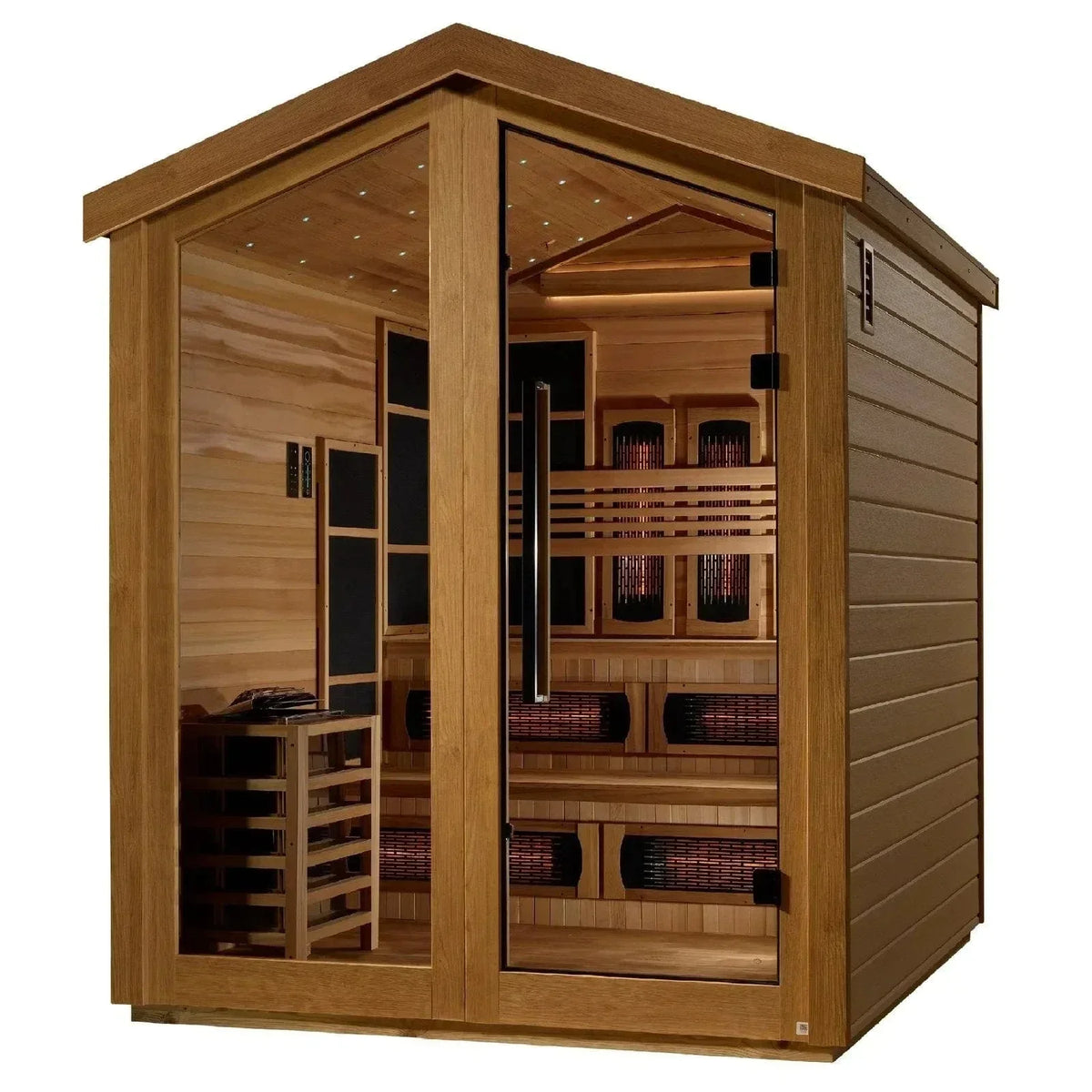
Ventilation, humidity, seating, temperature control, room size, and how quickly the space heats up can all influence the experience.
A poorly ventilated or badly designed sauna can feel stuffy and overwhelming. A thoughtfully designed sauna can feel much more controlled, allowing you to enjoy the warmth without feeling trapped by it.
This is one reason ventilation deserves more attention when choosing a sauna.
You Don't Have to Prove Anything
One of the biggest misconceptions about sauna use is that staying longer automatically means having a better experience.
It doesn't.
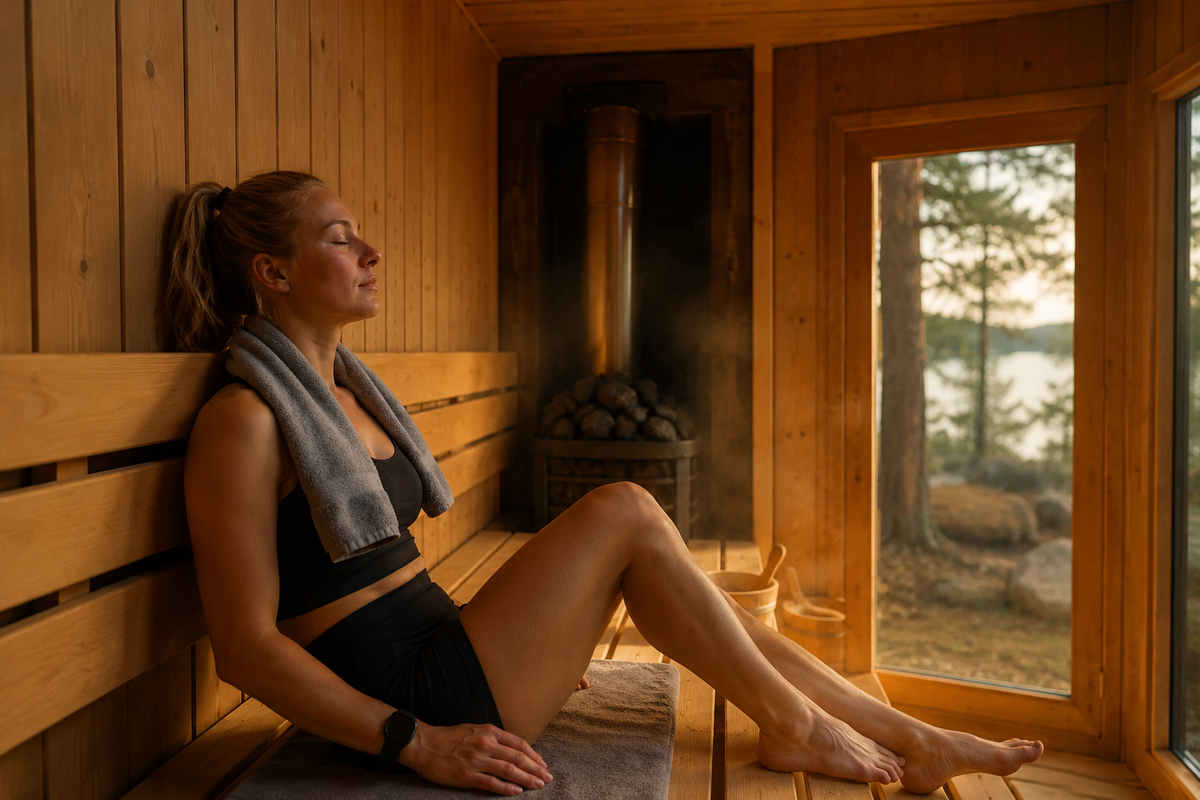
A sauna session should be comfortable enough for you to listen to your body. Beginners can start with shorter sessions and gradually become accustomed to the heat rather than treating the sauna like an endurance challenge.
If the heat becomes uncomfortable, stepping outside to cool down isn't failure. Cooling down is simply part of the experience.
The Importance of the Cool-Down
The contrast between heat and fresh air is one of the most recognizable parts of sauna culture.
After spending time in the warmth, leaving the sauna and allowing your body to cool naturally can completely change how the experience feels.
This also makes the overall experience feel less intimidating for people who are nervous about heat. Instead of thinking about sitting in a hot room for a long period, think of sauna use as a cycle:
Warm up → cool down → relax → repeat if comfortable.
That simple change in perspective can make a sauna much more approachable.
Sauna Is More Than Temperature
Another interesting lesson from modern sauna culture is that the sauna experience isn't necessarily about achieving the highest possible temperature.
Ritual can matter just as much.
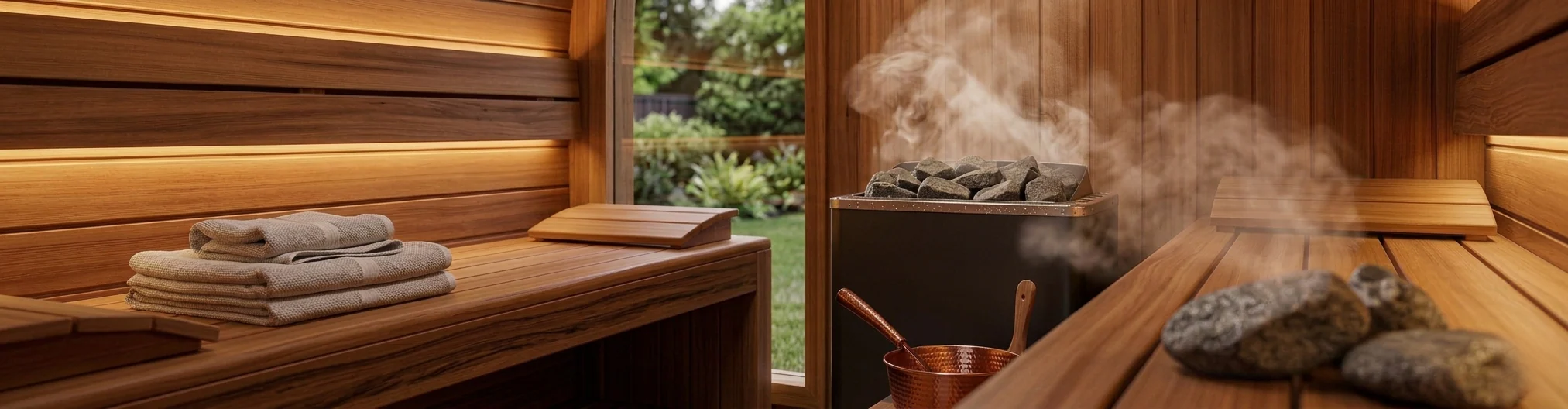
Traditional sauna practices can involve scents, steam, towel movements, quiet relaxation, conversation, or simply taking a few minutes away from everyday distractions.
The goal isn't necessarily to make the experience more extreme. It's to make the time spent in the sauna more enjoyable.
Choosing a Sauna for Comfort
If you're considering installing a sauna at home, don't focus only on the maximum temperature or the size of the heater.
Consider the entire experience.
Look at:
-
Ventilation and airflow
-
Temperature control
-
Interior space
-
Bench design
-
Heating consistency
-
Materials and construction
-
Ease of cleaning
-
How quickly the sauna reaches temperature
-
Whether the sauna gives you a comfortable place to cool down nearby
These details can make a bigger difference to everyday enjoyment than simply choosing the most powerful heater.
The Best Sauna Is the One You Actually Enjoy Using
Sauna culture can sometimes make the experience sound intimidating: high temperatures, long sessions, elaborate rituals, and the idea that you have to “push through” the heat.
You don't.
A good sauna experience should leave you feeling that you want to come back—not that you survived something.
Whether you're completely new to saunas or already have a regular routine, comfort, good design, and listening to your body are more important than trying to impress anyone with how much heat you can tolerate.
The real luxury of a sauna isn't simply being hot. It's having a space where you can slow down, warm up, cool down, and enjoy the experience on your own terms.