
Get Your Sweat On: The Benefits of Sauna Use
How spending time in the heat may help with relaxation, cardiovascular health, muscle recovery and more
There is something naturally relaxing about stepping into a warm sauna after a demanding day or a challenging workout. As the temperature rises, your body begins to sweat, your muscles loosen and you get a chance to slow down.
But sauna sessions may offer more than simple relaxation.
Research into sauna use suggests that regular exposure to controlled heat may be associated with several potential benefits, including reduced stress, cardiovascular support, temporary relief from muscle and joint discomfort, and improved relaxation.
However, saunas are not appropriate for everyone, and using one safely means understanding how your body responds to heat.
According to Dr. Daniel Carter, a family medicine physician, sauna use can be beneficial when practiced responsibly and within appropriate temperature and time limits.
Are Saunas Good for You?
Saunas have been used for generations as a way to relax, warm the body and promote sweating. For most healthy adults, moderate sauna use is generally considered safe when basic precautions are followed.
"The most important thing is understanding your body's response to heat," explains Dr. Carter. "The appropriate temperature and duration depend on the type of sauna, the environment and the individual."
Because prolonged exposure to high temperatures can cause overheating and dehydration, it is important to follow the manufacturer's recommendations and leave the sauna if you begin to feel unwell.
Potential Benefits of Sauna Use
Why do so many people make sauna sessions part of their wellness routine? Research suggests several possible benefits.
1. May Help Reduce Stress
One of the most noticeable benefits of sauna use is the feeling of relaxation that can follow a session.
Sitting quietly in a warm environment gives you an opportunity to step away from work, screens and everyday distractions. The combination of warmth, quiet and physical relaxation may help reduce feelings of stress and tension.
Some research has also connected sauna use with improved sleep and relaxation.
"The mental break can be just as valuable as the physical effects of the heat," says Dr. Carter. "Taking time to slow down and relax may be particularly helpful for people dealing with demanding schedules."
2. May Support Cardiovascular Health
Heat exposure causes the body to respond in ways that are somewhat similar to what happens during light physical activity.
As your body warms, your heart rate increases and blood vessels expand to help regulate temperature. You also begin sweating as your body works to cool itself.
These changes may temporarily increase circulation and influence blood pressure.
Some long-term observational research has found an association between frequent sauna use and better cardiovascular outcomes. However, more research is needed to fully understand the relationship and determine how much of the benefit comes specifically from sauna use.
"A sauna session creates a measurable physiological response," Dr. Carter explains. "But sauna use shouldn't be considered a replacement for exercise, a healthy diet or medical treatment."
3. May Help With Muscle and Joint Discomfort
Heat has long been used to help relax tight muscles and ease feelings of stiffness.
For people experiencing certain types of chronic muscle or joint discomfort, sauna sessions may provide temporary relief. Increased circulation and the relaxing effect of warmth may help muscles feel less tense.
Some research has also examined sauna use among people with inflammatory joint conditions and chronic back discomfort.
Dry and infrared saunas are sometimes used as part of a relaxation and recovery routine, although they should not replace appropriate medical care.
4. Can Help Soothe Sore Muscles
If you've ever used a sauna after exercising, you may already be familiar with the relaxing effect heat can have on tired muscles.
Warmth can increase circulation and help muscles relax after physical activity. For this reason, sauna sessions are often included in recovery routines.
The body's response to heat also involves a variety of biological processes that researchers continue to study, including changes involving proteins and signaling molecules associated with stress adaptation and the nervous system.
Still, a sauna should complement—not replace—adequate rest, hydration, nutrition and recovery following exercise.
5. May Be Associated With Brain Health
Some long-term observational research has found an association between frequent sauna use and a lower risk of certain cognitive disorders.
These findings are interesting, but they do not prove that sauna use directly prevents dementia or Alzheimer's disease.
Researchers are still investigating why a relationship may exist. Possible explanations include effects involving cardiovascular health, circulation, inflammation and overall lifestyle.
"These findings are promising, but we should be careful not to turn an association into a medical guarantee," says Dr. Carter.
More research is needed before sauna use can be considered a proven method for preventing cognitive disease.
6. May Support Respiratory Function
Heat and humidity can affect the respiratory system in different ways depending on the type of sauna.
A humid environment may help keep the airways moist and can sometimes make mucus easier to clear. Some research has also examined sauna exposure and respiratory function.
However, people with respiratory conditions can respond differently to heat.
Anyone who experiences breathing difficulty, chest discomfort or unusual respiratory symptoms should leave the sauna and seek appropriate medical advice.
7. May Affect Certain Skin Conditions
Heat and sweating may influence the skin, and sauna use has been investigated in connection with certain skin conditions.
Some research and clinical observations have explored whether sauna exposure could have an effect on conditions involving dry or irritated skin.
However, the evidence remains limited for many specific skin conditions. Sauna use should therefore not be viewed as a treatment without guidance from a qualified healthcare professional.
8. May Influence the Immune Response
Sauna exposure temporarily raises the body's temperature and produces a physiological stress response.
Researchers have investigated whether repeated heat exposure may influence immune function and the body's response to certain infections.
Although some studies have reported interesting findings, there isn't enough evidence to claim that sauna use can prevent illnesses such as colds or viral infections.
More research is needed before strong conclusions can be made.
Different Types of Saunas
Not every sauna works in exactly the same way. Temperature, humidity and the method used to create heat can vary significantly.
Traditional Saunas
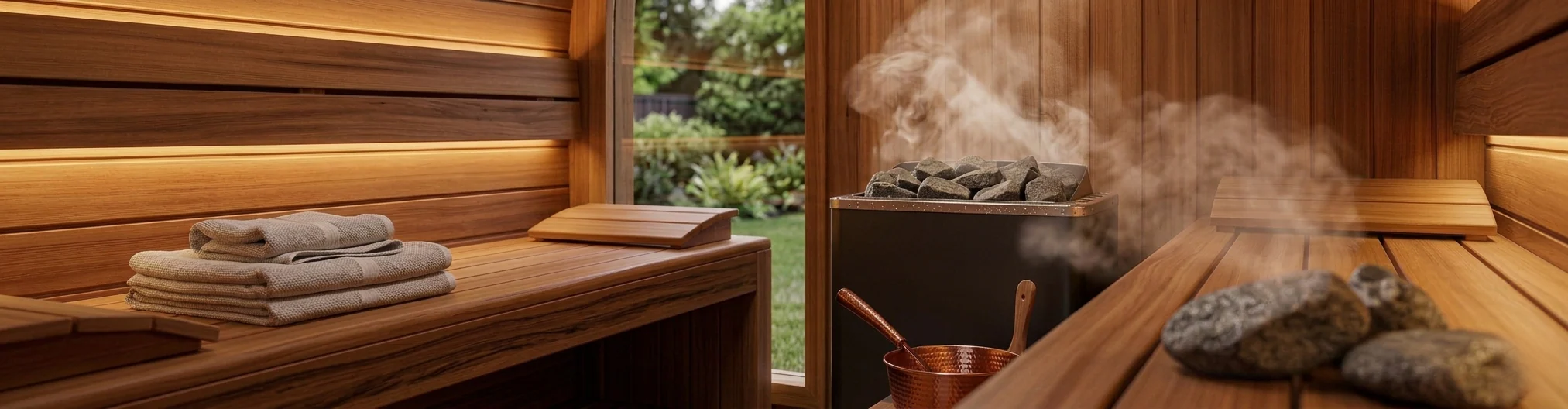
Traditional saunas are heated using an electric heater or, in some settings, a wood-burning stove.
Temperatures commonly range from approximately 150°F to 195°F (65°C to 91°C). Humidity is generally relatively low, although water may sometimes be poured over heated stones to temporarily increase humidity.
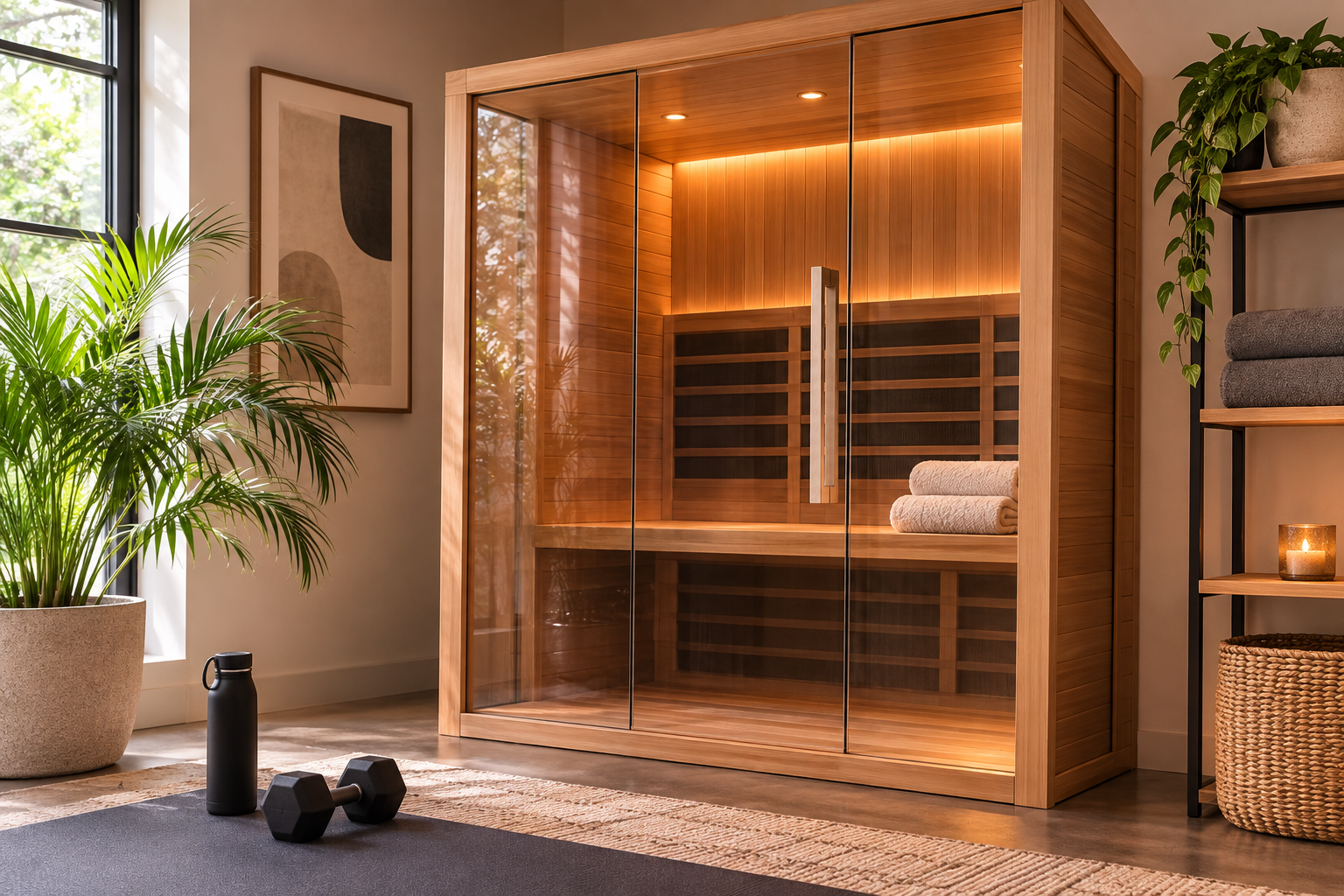
Infrared Saunas
Infrared saunas use infrared light to warm the body rather than relying entirely on heating the surrounding air.
Because of this different heating method, infrared saunas typically operate at lower temperatures, commonly around 110°F to 135°F (43°C to 57°C).
Many people find these temperatures more comfortable, particularly if they prefer a gentler heat experience.
Steam Rooms
A steam room is different from a traditional or infrared sauna.
Instead of relying primarily on dry heat, a steam room creates a hot environment with very high humidity.
There is currently no clear evidence that dry heat is universally better than humid heat. The experience and physiological response are simply different.
Does Sauna Use Burn Fat?
This is one of the biggest misconceptions surrounding sauna use.
A sauna can make the number on the scale drop temporarily because you lose water through sweating. However, this does not mean that you have burned a significant amount of body fat.
Once you drink fluids and rehydrate, the lost water weight generally returns.
"Heavy sweating should not be confused with fat loss," explains Dr. Carter. "A sauna can be part of a healthy lifestyle, but it shouldn't be used as a primary weight-loss strategy."
Sustainable fat loss comes from maintaining an appropriate calorie balance through nutrition, physical activity and other healthy lifestyle habits.
Sauna Safety: What You Should Know
Although sauna use is generally well tolerated by many healthy adults, excessive heat exposure can create risks.
The biggest concern is often dehydration.
Heavy sweating causes your body to lose fluids. Dehydration may result in thirst, headaches, weakness, muscle cramps, dizziness and, in more serious situations, confusion.
Drink enough fluids before and after your session, and avoid staying in the sauna for excessive periods.
You should also avoid sauna use if you have been drinking alcohol, as alcohol can increase dehydration and affect your body's ability to regulate temperature.
People who have recently experienced a serious cardiovascular event, such as a heart attack or stroke, should avoid sauna use unless their healthcare professional has specifically cleared them for it.
Who Should Talk to a Healthcare Professional First?
Before using a sauna, it is wise to speak with a healthcare professional if you:
-
Are over 65 years old.
-
Are under 16 years old.
-
Are pregnant or trying to become pregnant.
-
Have heart disease or another significant cardiovascular condition.
-
Have very high or very low blood pressure.
-
Have heart failure or severe narrowing of a major heart valve.
-
Have a neurological condition such as epilepsy.
-
Take prescription medications that may affect hydration, blood pressure or heat tolerance.
-
Have concerns related to male fertility.
-
Have another medical condition that could make exposure to high temperatures unsafe.
Individual circumstances matter, so medical clearance is especially important when there is an existing health condition.
Tips for a Safer Sauna Session
Ready to make sauna time part of your routine? Keep these simple principles in mind.
Listen to Your Body
Heat affects everyone differently.
If you become dizzy, weak, nauseated, unusually uncomfortable or short of breath, leave the sauna immediately and cool down.
Do not try to "push through" symptoms.
Start With Short Sessions
You don't need to spend a long time in the sauna to enjoy the experience.
For many people, around 15 to 20 minutes is a reasonable session length. If you're new to sauna use, starting with approximately five minutes and gradually increasing your time can be a more comfortable approach.
Drink Plenty of Fluids
Sweating means your body is losing fluid.
Drink water before and after your sauna session. If you've had a particularly long or intense session, replacing electrolytes may also be appropriate.
Avoid Alcohol
Combining alcohol and high heat can increase the risk of dehydration, dizziness and other complications.
It's safest to use the sauna when you're sober and properly hydrated.
Cool Down Gradually
After leaving the sauna, give your body time to return toward its normal temperature.
Sit somewhere comfortable, drink fluids and avoid immediately exposing yourself to another extreme temperature if you're feeling lightheaded or unwell.
The Bottom Line
A sauna can be much more than a place to sweat.
Regular, responsible sauna use may support relaxation, help ease muscle tension, promote a sense of well-being and provide temporary cardiovascular and circulation-related effects. Some research has also found interesting associations between frequent sauna use and long-term health outcomes.
But sauna sessions aren't a substitute for exercise, proper nutrition or medical treatment.
The safest approach is simple: keep sessions reasonable, stay hydrated, listen to your body and speak with a healthcare professional if you have an underlying medical condition.
When used thoughtfully, sauna time can be a relaxing addition to a balanced wellness routine—and sometimes, taking a few quiet minutes to simply sit, breathe and sweat may be exactly what your body needs.